EducateNext: Constitutional epimutations and their inheritance patterns.

Continuing Education Credit: This live webinar is eligible for CE credit. A recorded version will be available for CE credit on education.ambrygen.com approximately 1 month following the live presentation.

Description: 

This presentation will first define constitutional epimutation and provide examples of genes affected by this with clinical consequences. Current challenges and methodologies in differential clinicopathologic diagnosis, screening, and molecular diagnosis will be described. Patterns and underlying mechanisms of intergenerational inheritance / transmission from will be described from observational studies in affected families. Finally, ongoing challenges and areas in need of further attention in the field will be broached. 

Level of Instruction: Intermediate

Learning objectives: 
  1. Define constitutional epimutation and provide one example of a gene and clinical setting this affects
  2. Identify three clinicopathologic features of a patient that would raise suspicion of constitutional MLH1 methylation (epimutation) and warrant testing for this
  3. Explain why there are differences in inheritance patterns among index cases with constitutional MLH1 epimutation and there is sometimes no remarkable family history of cancer in the index case

Ambry Genetics is an approved provider of continuing education by NSGC and ASCLS P.A.C.E ® Programs. 

Questions? Please submit via Contact Us.

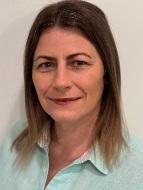
M_Hitchins Headshot
Megan Hitchins, PhD
Speaker
Megan Hitchins, PhD, is a Senior Member in the Department of Cancer Epidemiology at the Moffitt Cancer Center and Professor in the Department of Oncologic Sciences at the University of South Florida Morsani College of Medicine. She is a translational cancer researcher whose National Cancer Institute (NCI)-funded lab has two main areas of interest: firstly, the role of genetics and epigenetics in cancer predisposition, and secondly, the application of multiomics for the minimally-invasive detection and analysis of circulating tumor cells and circulating tumor DNAs in cancer patients, with a focus on colorectal cancer. Her seminal research findings on constitutional MLH1 methylation or (“epimutation”) and its inheritance has led to seminal publications in high-impact journals, including the New England Journal of Medicine, Nature Genetics, Cancer Cell, Journal of the National Comprehensive Cancer Network, and Nature Cancer Reviews, and has led to changes in NCCN screening guidelines.
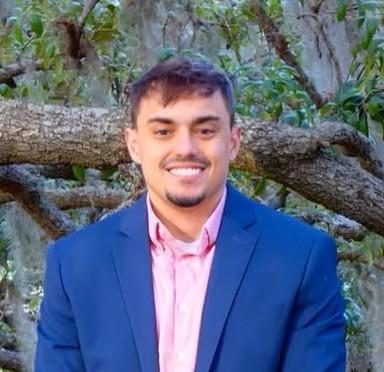
D_Cline Headshot
David Cline, MSPH, CGC
Moderator
David is an Oncology Genetic Counselor born and raised in South Florida. For his undergraduate studies, he attended the University of Miami and from there recieved his Master’s in Public Health and Genetic Counseling from the University of South Florida. Prior to joining Ambry, he was a clinical genetic counselor at the Miami Cancer Institute. In his spare time, he enjoys supporting Miami’s local sports teams, making baked goods with his wife, and indulging in a fantasy novel or video game.